Gorilla trekking and gorilla habituation both put you face to face with mountain gorillas, but the two experiences differ in time, group size, cost, and where you can book them. Trekking gives you one hour with a fully habituated family for $800 in Uganda. Habituation gives you up to four hours with a family still adjusting to human contact, for $1,500. This guide compares the two so you can pick the right one for your trip.
What Gorilla Trekking Is
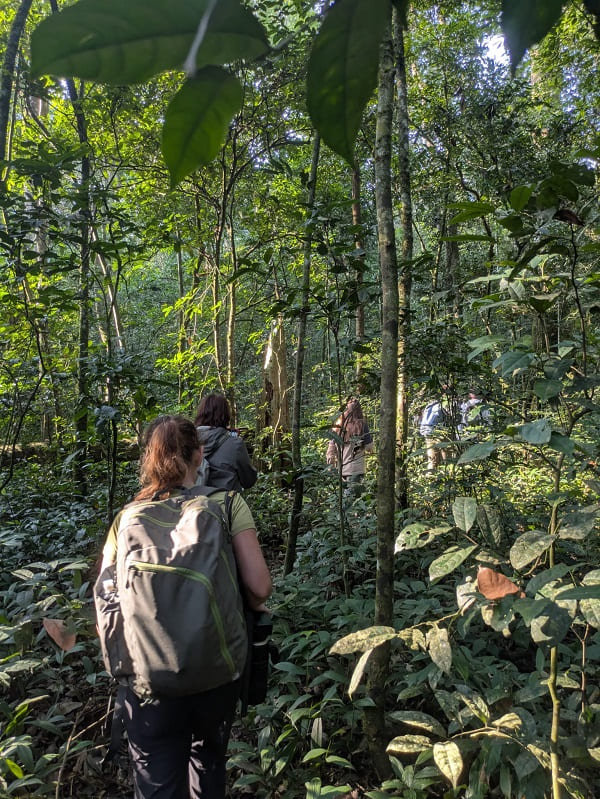
Gorilla trekking is the standard way to see mountain gorillas. You hike into the forest with a guide and trackers until you reach a habituated gorilla family, one that’s fully accustomed to human presence and safe to observe at close range. Once you find them, you get one hour to watch, photograph, and take in the experience before heading back.
Trekking happens in every major gorilla destination: Bwindi Impenetrable National Park and Mgahinga Gorilla National Park in Uganda, Volcanoes National Park in Rwanda, and Virunga National Park in Congo. Groups of up to 8 people can trek each habituated family per day, and permits cost $800 in Uganda, $1,500 in Rwanda, and $400 in Congo.
What Gorilla Habituation Is
Gorilla habituation is the process of getting a wild gorilla family used to human presence, a process that takes about two years of daily visits by researchers and rangers. During habituation, tourists can join researchers as they work directly with the gorilla family, spending up to four hours observing and learning about their behavior instead of the standard one hour.
Habituation is currently only available in one place in the world: the Rushaga sector of Bwindi Impenetrable National Park in Uganda. Two families are currently going through habituation there, known as the Bikingi and Bishaho families. Once a family passes a mock trekking exercise and shows it can handle regular human contact, it graduates to standard trekking and opens up to the wider eight-person daily limit.
Time With the Gorillas
This is the biggest practical difference between the two experiences. Standard trekking gives you one hour with the gorillas once you find them. Habituation gives you up to four hours, four times as long, which allows for a much deeper look at gorilla behavior, social dynamics, and daily routines. If rangers judge the gorillas to be agitated or stressed during either experience, they can end the visit early regardless of the time allotted.
Group Size Differences
Standard trekking allows up to 8 visitors per gorilla family per day. Habituation limits group size to just 4 people, since the gorillas are still adjusting to human contact and a smaller group reduces stress on the family. This smaller cap also means a more personal, less crowded experience if you book habituation.
Cost Comparison
A standard Uganda gorilla trekking permit costs $800 per person. A Uganda gorilla habituation permit costs $1,500 per person, nearly double the standard trekking fee. That price difference buys you four times the observation time and a much smaller group, which many travelers find worth the premium.
Rwanda’s standard trekking permit also costs $1,500 per person, the same as Uganda’s habituation permit, but Rwanda does not currently offer a habituation experience. If four hours with the gorillas matters more to you than country choice, Uganda is currently the only place to get it. See our Uganda gorilla safari packages for trips built around either option.
Where Each Experience Happens
Standard trekking is available across all major gorilla destinations: Bwindi and Mgahinga in Uganda, Volcanoes National Park in Rwanda, and Virunga National Park in Congo. Habituation is limited entirely to the Rushaga sector of Bwindi Impenetrable National Park, so choosing habituation also means choosing Uganda and, more specifically, that one sector.
If you’re planning a habituation trip, book your accommodation in the Rushaga or Nkuringo sector to keep your travel time to park headquarters as short as possible. Several lodges operate in this area, including Clouds Mountain Gorilla Lodge, Chameleon Hill Lodge, Nkuringo Bwindi Gorilla Lodge, Gorilla Heights Lodge, Gorilla Leisure Lodge, Four Gorillas Lodge, and Rushaga Gorilla Camp, spanning budget to luxury price points.
What the Day Looks Like for Each
Both experiences start the same way: an early morning briefing at park headquarters, where rangers explain safety rules and what to expect. From there, both groups hike into the forest, guided by trackers who monitor the gorillas’ movements, until they locate the assigned family.
The difference comes once you find the gorillas. Trekking groups observe, photograph, and enjoy the encounter for one hour before heading back. Habituation groups join researchers and rangers as they work directly with the family, spending up to four hours watching behavior, learning how individual gorillas are identified and named, and getting a closer look at the ongoing habituation process itself.
Which Experience Suits Which Traveler
Standard trekking suits most travelers well. It’s available in more locations, costs less, and still delivers a genuine, unforgettable encounter with mountain gorillas in the wild. It’s the right choice if you’re budget-conscious, short on time, or simply want the classic gorilla trekking experience without extra planning around a single sector.
Habituation suits travelers who want a deeper, longer, and more exclusive encounter, and who don’t mind paying more or planning their trip specifically around Uganda’s Rushaga sector. Photographers, wildlife researchers, and repeat visitors who have already done a standard trek often gravitate toward habituation for the extended observation time and smaller group size.
Booking a Habituation Trip on a Budget
Habituation costs more than standard trekking, but a few choices can bring your overall trip cost down. Stay in budget or mid-range lodges rather than the luxury properties clustered around Rushaga. Travel during the low season, when some lodges discount their rates, though be aware trails get muddier and harder to walk during this period. Compare quotes across a few tour companies rather than booking with the first one you find, since prices for the surrounding trip components can vary.
You can also cut travel costs by flying into Kigali International Airport in Rwanda and driving to Bwindi’s Rushaga sector from there, since it sits near the border. This route is typically faster than flying into Uganda and driving 10 to 11 hours to reach Rushaga from the other direction.
Booking a Luxury Habituation Trip
Habituation also works well as a premium experience. Luxury travelers can fly into Entebbe International Airport and connect via a domestic flight to Kisoro Airstrip near the Rushaga sector, with flights available from both Entebbe and Kajjansi Airfield. The Rushaga sector itself offers some of the best views in Bwindi, including sightlines to the Virunga volcanoes and the twin lakes, Lake Mutanda and Lake Mulehe, which adds scenic value on top of the gorilla encounter itself.
Rules That Apply to Both Experiences
The same core rules govern both trekking and habituation. Visitors must be at least 15 years old. Anyone with a contagious illness cannot join either experience, since gorillas can catch human diseases easily. Keep a distance of 7 to 10 meters from the gorillas at all times, turn off your camera flash, never touch the gorillas, and stay quiet and calm throughout the encounter. Both experiences require attending a pre-trek briefing and following your guide’s instructions at all times.
What to Pack for Either Experience
Your packing list stays largely the same whether you choose trekking or habituation. Bring waterproof hiking boots, garden gloves, warm long-sleeved clothes, a rain jacket, insect repellent, sunscreen, and plenty of drinking water. Since habituation days run longer, pack extra snacks and water to sustain you through the additional hours in the forest, and consider a lightweight extra layer in case temperatures drop while you’re out longer than a standard trek.
Making Your Choice
Both experiences deliver a genuine, close encounter with one of the world’s most endangered primates, and neither is a wrong choice. Standard trekking offers the more accessible, more affordable, and more widely available option. Habituation offers a longer, smaller-group, and more immersive experience, available only in Uganda’s Rushaga sector at a higher price. If you’re deciding between the two, weigh how much extra time with the gorillas is worth to you against the additional cost and the narrower location choice that habituation requires.
Book Your Gorilla Trekking or Habituation Experience Today
Whether you choose a standard one-hour trek or a full four-hour habituation experience, both put you in the presence of mountain gorillas in their natural home. Contact us today to compare permit availability and book your gorilla trekking or habituation experience in Uganda, Rwanda, or Congo.