Budget East Africa Safari Packages 2026/2027
Browse our budget East Africa safari packages below and find the itinerary that fits your trip.
Browse our budget East Africa safari packages below and find the itinerary that fits your trip.
 from $2500 Per Person
  Request Price
  Request Price
  from $3500 Per Person
  Request Price
  Request Price
 A combined East Africa safari covers Kenya, Tanzania, Uganda, Rwanda, and Congo in one trip. This is a more affordable way to explore the region than booking separate country trips, since you share transport routes, guides, and planning across the whole itinerary instead of starting fresh in each destination. You get gorilla trekking, wildlife viewing, and cultural experiences in a single trip, and each stop builds on the last instead of standing alone. Before you book, it helps to check our gorilla trekking permit cost guide so you know what each country will add to your budget.
Combining countries also spreads your budget further. A standalone gorilla trek in Rwanda or a standalone migration safari in Kenya can each carry a high price tag on its own. Pairing them into one route lets you plan efficient overland or short-flight connections between parks, which keeps total costs down while still covering more ground.
Uganda is home to the source of the Nile, Lake Victoria, and Bwindi Impenetrable National Park. Bwindi shelters over 459 mountain gorillas and is split into four trekking sectors: Rushaga, Ruhija, Buhoma, and Nkuringo. Mgahinga National Park adds a fifth trekking option through its Ntebeko sector. See our full range of Uganda gorilla safari packages to compare itineraries by sector and duration.
Rushaga sits on Bwindi’s southern side and has 9 habituated gorilla groups, including Mishaya, Bweza, Nshongi, and Kahungye. It is reachable via Kisoro and handles a large number of trekkers each day. Ruhija lies on the eastern side at 2,350 meters and is known for cooler temperatures and strong birdwatching alongside gorilla families such as Bitukura, Oruzogo, Mukiza, and Kyaguriro. Buhoma is Bwindi’s northern sector and home to Mubare, Uganda’s first habituated gorilla group, along with Rushegura, Katwe, and Habinyanja. Nkuringo, on the southern edge, offers a more demanding trek to reach groups such as Nkuringo, Bushaho, and Christmas.
A Uganda gorilla permit costs USD 800 for foreign nonresidents, USD 700 for foreign residents, and UGX 300,000 for East African citizens. Each permit covers one visit to one gorilla family per day, and permits should be booked well ahead of your trekking date. If you want a place to stay near the park, our Bwindi lodges page lists options across all four sectors.
Beyond gorilla trekking, Uganda offers wildlife safaris in Murchison Falls, Queen Elizabeth, Kidepo Valley, Semuliki, and Lake Mburo national parks. Lake Victoria adds water-based activities including boat cruises, tubing, island hopping, bungee jumping, and visits to the source of the Nile.
Rwanda holds over 30% of the world’s mountain gorillas across 12 habituated families in Volcanoes National Park, the country’s oldest protected area, gazetted in 1925. Gorilla families here include Hirwa, Kwitonda, Umubano, Amahoro, Agashya, Sabyinyo, Bwenge, Susa A, Susa B, and Ugenda. The park also offers golden monkey tracking. Our Rwanda gorilla safari packages cover trekking, golden monkeys, and more in one trip.
Nearby, Akagera National Park has game drives and boat trips, and Nyungwe Forest National Park offers chimpanzee tracking and a canopy walk. Lake Kivu is a good stop for relaxation between activities, with white sand beaches along its shore. For places to stay, take a look at our list of Rwanda lodges near the park.
A Rwanda gorilla permit costs USD 1,500 per person and should be booked well in advance through your tour operator.
Congo offers both lowland and mountain gorilla trekking. Kahuzi-Biega National Park is the main destination for lowland gorillas, while Virunga National Park covers mountain gorilla families including Kabirizi, Lulengo, Mapuwa, Humba, Bageni, Nyakamwe, Rugendo, and Munyaga. Each group takes a maximum of 8 visitors a day, with 64 permits available in total, and a Congo gorilla permit costs USD 400 per person, the lowest of the three gorilla trekking countries. Read our Congo gorilla trekking guide to see if it fits your plans.
Kenya’s Maasai Mara and Tanzania’s Serengeti are the two parks behind East Africa’s wildebeest migration. Each year, millions of wildebeest, zebra, and gazelle cross between the two parks in search of water and pasture, facing river crossings with crocodiles and predators along the way. The migration runs from June to July, with calving season from December to February.
Both countries also offer big five game viewing. Kenya’s other top parks include Tsavo, Amboseli, Lake Nakuru, and Nairobi National Park. Tanzania adds Tarangire, Ngorongoro Conservation Area, Lake Manyara, home to tree-climbing lions, Nyerere, Ruaha, and Katavi. Serengeti National Park alone covers 14,763 square kilometers and is one of the few places where the big five and the wildebeest migration share the same habitat. Want to pair the migration with gorillas? Our guide on gorilla trekking and the Masai Mara or Serengeti walks through how to combine both.
Chimpanzee trekking is available in Kibale Forest (Uganda), Nyungwe and Gishwati-Mukura (Rwanda), and Gombe National Park (Tanzania). Golden monkey tracking is possible in Mgahinga National Park (Uganda) or Volcanoes National Park (Rwanda).
For added adventure, combine your safari with mountain hikes on Kilimanjaro, Mount Kenya, the Rwenzori Mountains, or the Virunga volcanoes, including Nyiragongo, Karisimbi, Gahinga, Muhabura, Bisoke, Mikeno, Sabyinyo, and Nyamuragira. You can also add white water rafting, kayaking, boat cruises, and bungee jumping along the Nile.
Bring a valid gorilla permit, a camera without flash, a first aid kit, a waterproof daypack, a long-sleeved shirt, long trousers, insect repellent, a sweater, gardening gloves, snacks, and bottled water. For the full list with more detail, check our gorilla trekking packing guide.
East Africa can be visited year-round. The dry seasons, from June to August and December to February, are the best months for gorilla trekking and game viewing, with drier trails and easier access to forest sectors. The wildebeest migration follows its own calendar, running from June to July with calving season from December to February, so your travel dates may shift depending on whether gorilla trekking or the migration is your priority. Our best time to go gorilla trekking guide breaks this down month by month.
Plan your budget East Africa safari itinerary today and combine gorilla trekking in Uganda, Rwanda, or Congo with wildlife safaris in Kenya and Tanzania. Book an affordable combined Uganda Rwanda safari or a full multi-country trip built around your budget.
An East Africa safari typically covers Kenya, Tanzania, Uganda, Rwanda, and Congo, though you can combine any number of these based on your itinerary.
Most combined itineraries run from 7 to 20 days, depending on how many countries and activities you want to include.
Yes. Many travelers pair gorilla trekking in Uganda or Rwanda with a migration safari in Kenya or Tanzania as part of one trip.
Congo has the lowest gorilla permit price at USD 400 per person, followed by Uganda at USD 800, and Rwanda at USD 1,500.
Yes, unless you qualify for the East Africa Tourist Visa, which covers Kenya, Uganda, and Rwanda on a single visa.
Most combined safaris use a mix of road transfers and short domestic or regional flights, depending on the distance between parks.
Trekking difficulty varies by sector and can range from a short walk to several hours through steep, forested terrain. A basic level of fitness is recommended.
The minimum age for gorilla trekking in Uganda, Rwanda, and Congo is 15 years old.
The migration river crossings between the Serengeti and Maasai Mara typically peak from June to July, though the migration itself is a year-round cycle within the two parks.
Gorilla permits should be booked at least 3 to 6 months in advance, especially during peak season, since numbers are limited per day.
Yes. Uganda and Rwanda both offer parks with chimpanzee tracking alongside their gorilla trekking destinations.
Mountain gorillas live in high-altitude forests in Uganda, Rwanda, and parts of Congo, while lowland gorillas are found in Congo’s lower-altitude tropical forests, such as Kahuzi-Biega National Park.
Virunga National Park operates guided, permit-based gorilla trekking, and safety conditions can vary by region, so it is worth checking current travel advisories and booking through an experienced operator.
The permit fee covers park entry, guide services, and access to one gorilla family for one visit per day. It does not typically include accommodation or transport.
Yes. A budget safari uses more affordable accommodation and shared transport options while keeping the same access to parks, permits, and guided activities as higher-priced packages.
Wear a long-sleeved shirt, long trousers, sturdy waterproof boots, and gardening gloves, and bring a sweater for cooler, higher-altitude sectors like Ruhija.
Each permit allows one visit to one gorilla family. Visiting multiple families requires multiple permits, either across several days or in different sectors.
Many combined itineraries add a beach extension in Zanzibar or along the Kenyan coast after the safari portion of the trip.
Golden monkey tracking is a guided forest walk to observe habituated golden monkey troops, available in Mgahinga National Park in Uganda and Volcanoes National Park in Rwanda.
Contact our team with your preferred countries, trip length, and budget, and we will build an itinerary that fits your schedule and covers the parks and activities you want to see.
Book your Uganda, Rwanda, and East Africa gorilla safaris today. Choose a country and find the itinerary that fits your budget.
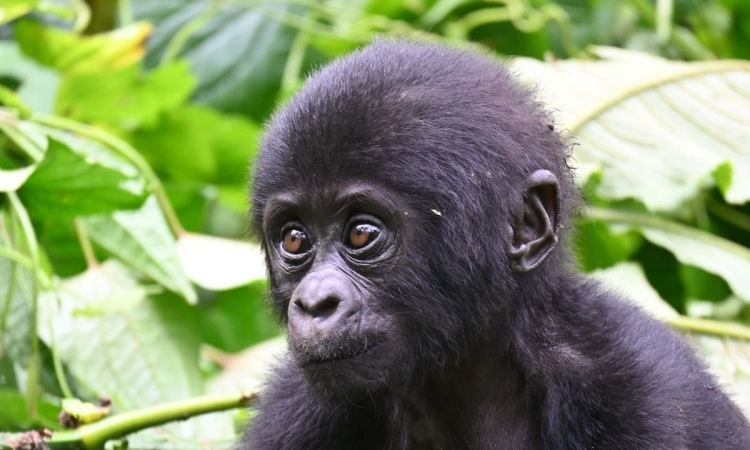 Request Price
Book budget Uganda gorilla trekking tours across Bwindi and Mgahinga, with flexible itineraries built around real savings.
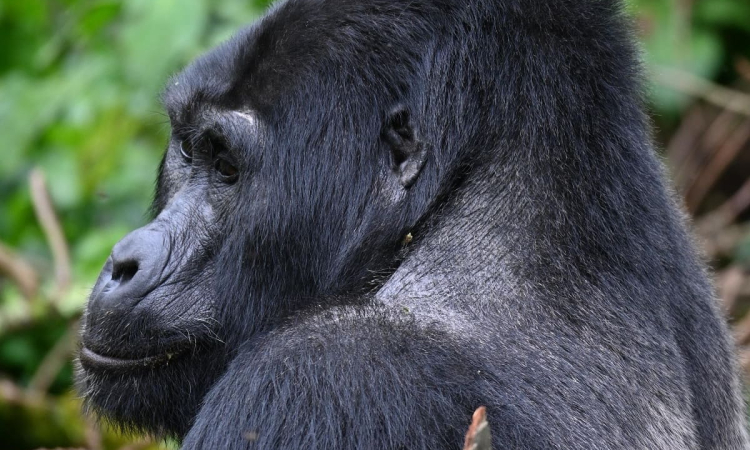 Request Price
Explore affordable Rwanda gorilla trekking tours to Volcanoes National Park, with packages designed to fit your budget.
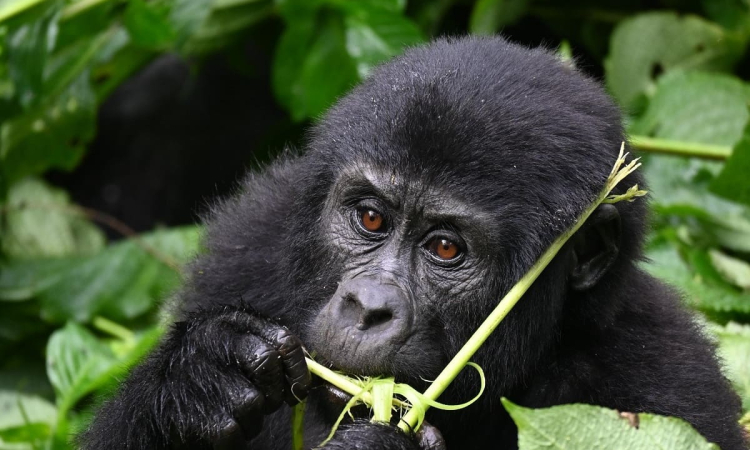 Request Price
Combine gorilla trekking with wildlife safaris across Uganda, Rwanda, and beyond in one affordable multi-country itinerary.
Read what our clients say about us. You can find more reviews on TripAdvisor.




We make safaris affordable, enjoyable, and easy because we love travel as much as you do.
We are an African travel operator, agency, and Destination Management Company (DMC) based in Kampala, Uganda. Our Uganda Tourism Board license is: UTB/RTT/TO/2023/100931.
Read moreAlong with our safari packages and years of experience, we offer simple, flexible booking terms to every client.
Read moreWe promise to plan, handle, and manage your trip carefully and the way it should be done.
Read moreWe are committed to excellent service delivery and to making every safari run smoothly.
Read moreWe profit from tourism, and we do not profit alone. A portion of our profits supports single mothers in local tourism communities.
Read moreTo offer the best way to travel, we do stuff the way its supposed to be done; right from the initial safari planning process.
We listen to your travel requests, make recommendations, and advise where needed.
We talk through your options, match you to the right itinerary, and refine it further until you are satisfied.
We reserve your safari booking and finalize any remaining changes. This completes your trip reservation process.
Call us or book a video meeting to go over your questions and options.