Packing right for gorilla trekking makes the difference between an easy trek and a miserable one. Rainforest weather shifts fast, trails can turn muddy without warning, and the wrong gear slows you down when you need speed most. Below is a full packing list built for gorilla trekking in Uganda, Rwanda, and Congo, along with what to wear and what to expect on trek day.
Footwear and Clothing
Wear sturdy hiking boots, ideally waterproof, since trails often pass through boggy, uneven ground even in the dry season. Skip sandals, flip-flops, and light sneakers entirely. These offer no grip and no protection against roots, mud, or biting insects on the forest floor.
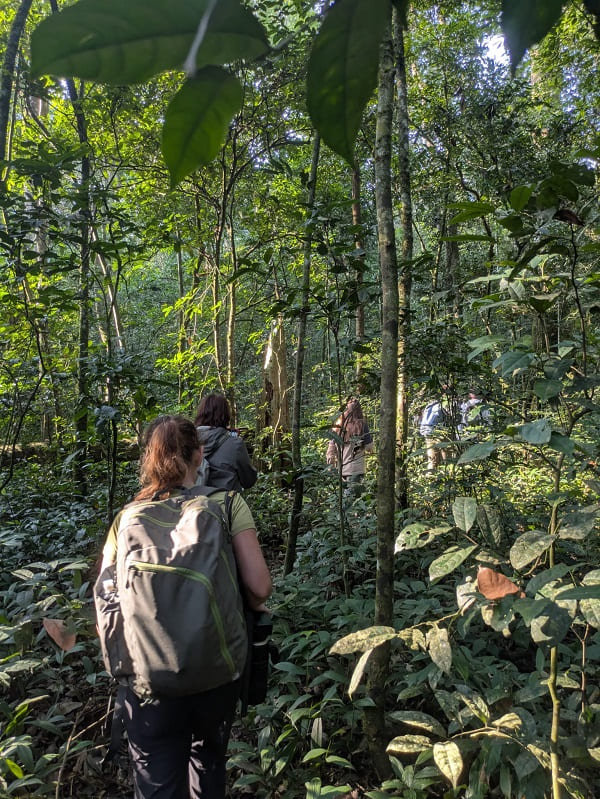
Choose long-sleeved shirts and long trousers over shorts or sleeveless tops. Long sleeves protect your skin from nettles, thorny branches, and insect bites as you push through dense vegetation. Bring warm clothes too, since temperatures drop quickly at higher elevations, and pack a rain jacket, since rain can fall at any time in the forest, even during the dry season.
Garden gloves round out your clothing list. They protect your hands when you grab branches or vines for support on steep or slippery sections of the trail.
Rain Gear
Even dry season trekking can turn wet without notice. Pack a raincoat or waterproof jacket regardless of when you travel. Waterproof hiking boots handle both mud and sudden rain better than standard boots, so they’re worth the investment if you’re buying gear specifically for this trip.
Walking Support
A walking stick helps you stay balanced on slippery or uneven paths, especially on steep sections near the gorilla families. You can buy one at the park entrance or bring one from home. If you’re carrying heavy gear, hire a porter at the park headquarters. Porters carry your bag and offer a hand on tricky terrain, which makes a real difference on longer treks.
Food and Hydration
Treks can run anywhere from 30 minutes to several hours, so carry enough drinking water to last the full trip. Aim for at least 1.5 liters. Bring energy snacks too, since you’ll need steady fuel during a long uphill hike. A lightweight backpack keeps your hands free while carrying water, snacks, and other gear.
Camera and Optics
Bring a camera to capture your encounter with the gorillas, but turn off the flash before you reach them. A sudden flash can startle or provoke the gorillas, and rangers may end your visit early if the group becomes agitated. A good lens helps you get clear shots without needing to get closer than the required distance. Our photography tips cover this in more detail. If you enjoy birdwatching, pack binoculars too, since many bird species share the same forests as the gorillas.
Sun and Insect Protection
Pack sunscreen and a hat for open trail sections and breaks in the canopy where sun exposure builds up fast. Insect repellent is essential, since mosquitoes and other biting insects live throughout the forest, and some carry malaria. Sunglasses help too, both for sun glare and for keeping debris out of your eyes as you push through brush.
Hygiene Items
Disinfect your hands and feet before entering the forest to reduce the risk of passing germs to the gorillas. Mountain gorillas share close to 98% of their DNA with humans, which means they can catch human illnesses easily. Carry hand sanitizer with you on the trek in case you need to reapply. Our health and vaccination guide has more on staying trek-ready.
What Not to Bring
Leave casual clothing at the lodge. Shorts, sleeveless tops, sandals, and light sneakers all fall short of what the trail demands. Skip any camera with a built-in flash you can’t disable, and don’t bring food or drink you plan to consume near the gorillas, since eating or smoking in their presence isn’t allowed. If you’re feeling unwell before your trek, with symptoms like a cough, cold, flu, or diarrhea, tell your tour operator. Anyone showing signs of a contagious illness will not be permitted to trek, since the risk to the gorillas is too high. Our gorilla trekking rules guide covers this and other requirements in full.
Packing for Mobility Challenges
Travelers with disabilities can still trek gorillas with the right preparation. Tell your tour operator or the park in advance so they can arrange a sedan chair or bamboo stretcher, carried by porters, and assign a gorilla family that’s easier to reach. This doesn’t change your packing list much, but it’s worth mentioning to your operator early so they can prepare the right equipment before your trek date.
Packing Tips by Season
Dry season trekking runs from June to September and again from December to February in both Uganda and Rwanda. Trails stay firmer and roads stay easier to drive during these months, though rain gear remains essential regardless. Rainy season trekking means muddier, more demanding trails, so waterproof boots and a walking stick matter even more during these months. Gorillas often stay closer to food sources in the rainy season, which can shorten your search time even as the walking gets tougher.
What to Expect on Trek Day
Your day starts with a briefing at park headquarters, where rangers explain the rules before you enter the forest. You’ll trek in a group, guided by rangers and trackers, until you reach your assigned gorilla family. Once you find them, you get one hour to observe, though habituation experiences in Uganda allow up to four hours. Stay at least 7 to 8 meters from the gorillas at all times, keep your voice low, and follow your guide’s instructions throughout the encounter.
Quick Packing Checklist
Waterproof hiking boots, rain jacket, warm long-sleeved clothes, garden gloves, a walking stick, sunscreen, a hat, sunglasses, insect repellent, hand sanitizer, 1.5 liters of drinking water, energy snacks, a camera with the flash disabled, binoculars, and a lightweight backpack to carry it all.
Book Your Gorilla Trekking Safari Today
Packing right sets up an easier, safer trek, but timing and permit booking matter just as much. Book your gorilla permit 3 to 6 months in advance, especially during the dry season when demand runs high. Contact us today to plan your gorilla trekking safari in Uganda, Rwanda, or Congo.