Gorilla trekking ranks among the more physically demanding wildlife activities in Africa, but it’s manageable for most reasonably fit travelers with the right preparation. Difficulty depends on terrain, altitude, weather, and where the gorillas happen to be on the day of your trek. This guide covers what to expect physically, how to prepare, and how fitness level affects your experience in Uganda, Rwanda, and Congo.
How Physically Demanding Is Gorilla Trekking?
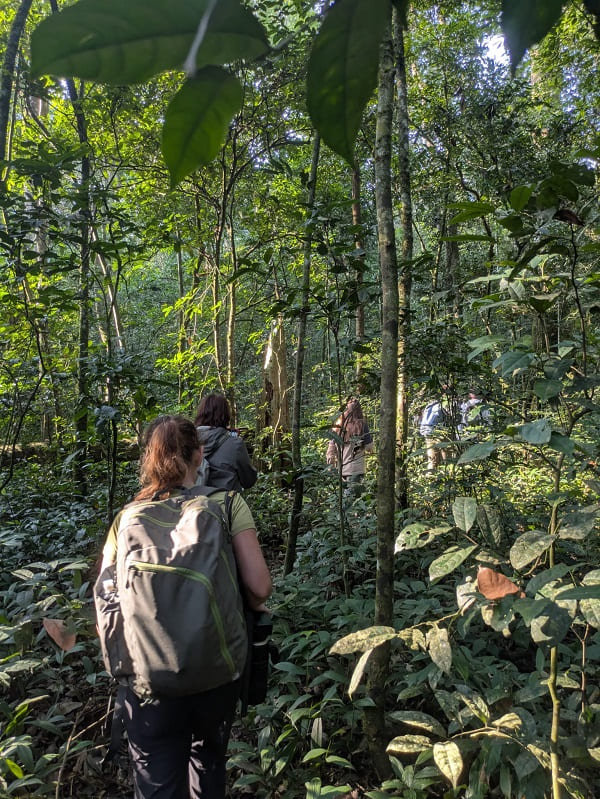
Gorilla trekking involves hiking through dense forest, often on steep or uneven terrain, at altitude. The trek can take anywhere from 30 minutes to several hours, depending on where the gorilla family has moved that day. There’s no way to predict trek length in advance, since gorillas move based on food availability rather than any fixed schedule.
The terrain itself adds to the challenge. Trails can be muddy, slippery, and steep, especially in Uganda’s Bwindi Impenetrable National Park, where dense vegetation and unpredictable rain make for tougher going even in the dry season. Rwanda’s Volcanoes National Park offers comparatively easier trekking, with gentler terrain that suits travelers looking for a less demanding hike.
Fitness Level Needed for Gorilla Trekking
You don’t need elite fitness to trek gorillas, but a baseline level of cardio and leg strength makes the experience far more enjoyable. Start preparing several months before your trip if you’re not used to regular hiking. Cardio exercise, strength training, and practice hikes on varied terrain all help condition your body for the steep climbs and long walking stretches you may face.
The group always moves at the pace of the slowest hiker, so a lower fitness level doesn’t disqualify you from trekking. It does mean your trek may take longer, and park rangers often assign less fit trekkers to gorilla families that are easier to reach, based on information gathered the morning of the trek.
How Season Affects Trekking Difficulty
Season plays a major role in how hard your trek feels. The dry season, running from June to September and again from December to February in both Uganda and Rwanda, offers firmer trails, thinner bushes, and easier road access to the parks. This makes for the most manageable trekking conditions overall.
The rainy season makes trails muddier and more slippery, which slows your pace and increases physical strain. On the upside, gorillas tend to stay closer to park headquarters during the rainy season, since food is more plentiful nearby, which can shorten the trek itself even as the walking gets tougher. If physical difficulty worries you, aim for a dry season trek; if you’re comfortable with a harder hike, rainy season trekking still works and often costs less.
Terrain by Country
Uganda’s Bwindi Impenetrable National Park lives up to its name, with dense forest and steep hillsides that make for one of the more physically demanding trekking environments in the region. Mgahinga Gorilla National Park, Uganda’s second gorilla park, involves volcanic terrain with its own climbing challenges. See our Uganda gorilla safari packages for itineraries across both parks.
Rwanda’s Volcanoes National Park generally offers an easier trek, with more open terrain and gentler gradients, though you’re still hiking at altitude through volcanic foothills. Congo’s Virunga National Park sits between the two in difficulty, with a more rugged landscape and less-developed trail infrastructure than either Uganda or Rwanda.
What to Expect During the Trek
Your day starts early with a briefing from park rangers, who explain safety rules and what to expect before you enter the forest. The hike itself follows trackers who monitor the gorillas’ movements, so your route adjusts based on where the family has traveled. Once you find the gorillas, you get about one hour to observe them, which offers a welcome rest after the physical effort of getting there.
Preparing Your Body for the Trek
Build your fitness routine around hiking, cardio, and strength training in the months leading up to your trip. Practice on hilly or uneven terrain if you have access to it, since flat treadmill walking doesn’t fully prepare your legs for the kind of climbing gorilla trekking demands. Visit a travel clinic ahead of your trip for general health advice and any recommended vaccinations, and confirm you’re in good health before you go, since gorillas are vulnerable to human illnesses and sick trekkers are not permitted to join.
Gear That Affects Your Trekking Experience
The right gear makes a real difference in how manageable the trek feels. Waterproof hiking boots give you better grip and protection on muddy or wet trails. A walking stick helps with balance on steep or slippery sections, and many trekkers find it makes a noticeable difference over a multi-hour hike. Breathable, long-sleeved clothing protects your skin from thorns and insects without overheating you during the physical exertion of the climb. Carry enough water and energy snacks, since dehydration and low energy make any trek feel harder than it needs to.
Trekking With Reduced Mobility
Travelers with mobility challenges or lower fitness levels can still take part in gorilla trekking. Parks offer sedan chairs or bamboo stretchers carried by porters, which allow less mobile travelers to reach the gorillas without hiking the full distance themselves. Tell your tour operator in advance if this applies to you, so they can arrange the right equipment and assign a gorilla family that’s easier to reach.
Age and Trekking Difficulty
The minimum age for gorilla trekking is 15 years across Uganda, Rwanda, and Congo, largely because the physical demands and forest conditions can be difficult for younger children to manage safely. Uganda allows some flexibility, permitting children as young as 11 to trek if a guardian signs an indemnity form, and some operators can request special arrangements for children close to turning 15 on a case-by-case basis. Even with these exceptions, expect the trek to be physically demanding for younger or less experienced hikers, so factor this in when planning a family trip.
Tips for a Manageable Trek
Start your fitness preparation early rather than a few weeks before departure. Choose the dry season if trekking difficulty is your main concern. Pack the right gear, including waterproof boots and a walking stick, and stay hydrated and fueled throughout the hike. Be honest with your tour operator about your fitness level, since this helps them assign a gorilla family and pace that matches your ability. Most importantly, remember that the group moves at the pace of the slowest member, so you’re never rushed beyond what you can manage.
Book Your Gorilla Trekking Safari Today
Gorilla trekking rewards preparation, but it remains accessible to most travelers willing to put in some groundwork beforehand. Contact us today to discuss your fitness level and find the right gorilla trekking destination and season for your trip to Uganda, Rwanda, or Congo.