The best time to go gorilla trekking is during the dry season. Uganda and Rwanda share two dry seasons: the long dry season from June to September, and the short dry season from December to February. Trails stay firmer, bushes thin out, and roads to the parks become easier to drive during these months. If your dates are flexible, book your trek within one of these windows for the smoothest hiking conditions.
Why the Dry Season Works Best
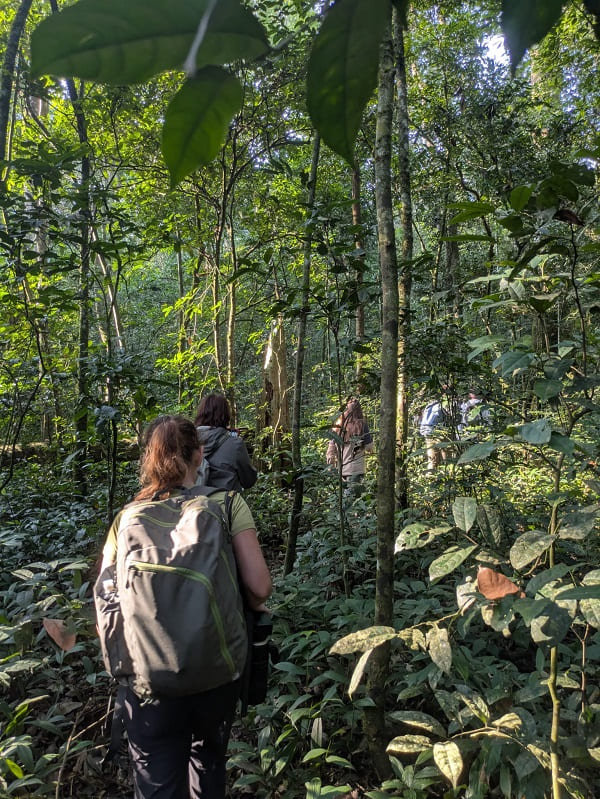
Dry season trekking gives you clearer trails and better visibility. Rain thins out during these months, so the ground stays less muddy and less slippery underfoot. Thinner bushes also make it easier to spot gorillas once you reach them, and easier to take clear photos without branches and leaves blocking your view.
Roads leading into Bwindi Impenetrable National Park, Mgahinga Gorilla National Park, and Volcanoes National Park also stay in better condition during the dry months. This cuts down travel time between your lodge and the park headquarters, which matters most on trek day when early starts are common.
Gorilla trekking demands good physical fitness regardless of season, since you hike uphill through forest terrain to reach the gorillas. The dry season simply removes one major obstacle: slippery, muddy trails that turn a moderate hike into a harder one.
What the Rainy Season Looks Like
Rainy season trekking runs outside the two dry windows, mainly from March to May and October to November. Trails turn muddy and slippery, which makes the forest harder to walk through and can slow your pace significantly. Some travelers still prefer this season, since gorillas often stay closer to their usual feeding areas when food is more plentiful nearby, which can shorten the search time even though the walking itself gets tougher.
Rainy season trips also tend to cost less overall. Fewer travelers book during these months, so lodges around Bwindi and Volcanoes National Park often lower their rates, and permits become easier to secure on shorter notice.
Gorilla Permit Costs by Season
Permit prices depend on the country rather than the season in Uganda and Rwanda. A Uganda gorilla permit costs $800 per person all year. A Rwanda gorilla permit costs $1,500 per person all year. Neither country lowers its permit price for the rainy season. Our gorilla trekking permit cost guide breaks down pricing across all three countries.
Congo works differently. A Congo gorilla permit costs $400 per person during the dry season and drops to $200 per person during the low season. This makes Congo the only one of the three countries where timing your trip around the season changes your permit cost directly.
Book Your Permit Early, Regardless of Season
Demand for gorilla permits runs high during the dry season, and permits can sell out months ahead of your travel date. Book your permit 3 to 6 months in advance if you plan to trek in June through September or December through February. Waiting too long can mean arriving in Uganda or Rwanda only to find no permits left for the dates you want.
Rainy season permits stay easier to book on shorter notice, since fewer travelers plan trips around these months. Even so, booking ahead gives you more choice over which sector or gorilla family you trek, so earlier is always better regardless of season.
How to Prepare Physically
Gorilla trekking involves hiking uphill through rainforest terrain, so physical fitness matters no matter when you go. Start light exercise before your trip if you’re not used to regular hiking. The trek itself can run anywhere from 30 minutes to several hours, depending on where the gorilla family has moved, and the group always travels at the pace of the slowest hiker. Our gorilla trekking difficulty guide covers this in more detail.
Travelers with disabilities or limited mobility can still trek gorillas using a sedan chair carried by porters. Tell your tour operator in advance so they can arrange this and assign a gorilla family that’s easier to reach.
What to Pack for Any Season
Weather in the rainforest can shift quickly, even during the dry season, so pack as if rain is always possible. Bring waterproof hiking boots for muddy or wet trails, a rain jacket, and warm long-sleeved clothes, since temperatures can drop even when the day starts sunny. Garden gloves help you steady yourself on uneven ground, and a walking stick, available to buy at the park or bring from home, adds extra support on slippery paths.
Carry plenty of drinking water and energy snacks, since treks can run 5 to 6 hours or longer. Bring insect repellent to guard against mosquitoes and other biting insects in the forest, along with sunscreen and a hat for sun exposure on open trail sections. Pack a camera for the trek, but remember to turn off the flash once you find the gorillas, since sudden flashes can startle them. If you enjoy birdwatching, bring binoculars too, since many bird species share the same forests as the gorillas.
Choosing the Right Time for Your Trip
Pick the dry season if easier trails and better road conditions matter most to you, and you don’t mind paying peak-season prices for lodges. Pick the rainy season if a lower overall trip cost matters more, and you’re comfortable with muddier, more demanding trails. Either way, book your gorilla permit and itinerary early, since availability tightens during the busiest months in both Uganda and Rwanda.
Book Your Gorilla Trekking Safari Today
Whether you choose the dry season for easier trekking or the rainy season for better rates, timing your trip well makes a real difference in your overall experience. Contact us today to check permit availability for your preferred season and start planning your gorilla trekking safari in Uganda, Rwanda, or Congo.