Gorilla trekking rules exist to protect both you and the gorillas, and they apply the same way across Uganda, Rwanda, and the Democratic Republic of Congo. Only about 1,063 mountain gorillas remain in the wild, found in just these three countries, and gorillas share over 98% of their DNA with humans, which makes them vulnerable to many of the same illnesses we carry. Knowing the rules before you go keeps your trek safe, keeps the gorillas protected, and helps you avoid any surprises on the day.
Where These Rules Apply
These rules apply in every park where gorilla trekking happens: Bwindi Impenetrable National Park and Mgahinga Gorilla National Park in Uganda, Volcanoes National Park in Rwanda, and Virunga National Park in the Democratic Republic of Congo. Rangers enforce the same standards across all four parks, so the experience stays consistent no matter which country you choose.
The Pre-Trek Briefing
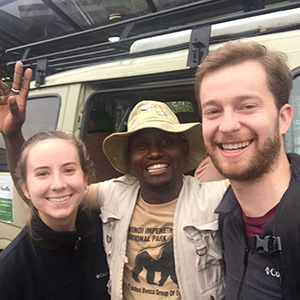
Every trek starts with a briefing at the park office. Rangers walk you through the rules before you enter the forest, and attending this briefing is mandatory, not optional. Use this time to ask questions and confirm you understand what’s expected once you’re near the gorillas.
Group Size Limits
Each habituated gorilla family accepts a maximum of 8 tourists per day. This cap reduces stress on the gorillas and limits how much human contact each family experiences. Rangers assign your group to a specific family based on this limit, along with factors like fitness level and trekking difficulty.
Minimum Age Requirement
Trekkers must be at least 15 years old. Parks enforce this consistently across Uganda, Rwanda, and Congo, so children under 15 cannot join a standard trek regardless of their fitness or maturity. Plan around this rule if you’re traveling with younger children, since they’ll need to sit this activity out or stay back at your lodge.
Health Requirements
Anyone with a contagious illness should not trek. This includes coughs, colds, flu, and other communicable conditions, since mountain gorillas can catch human diseases easily and have little natural immunity against them. If you feel unwell before your trek date, tell your tour operator right away rather than trying to push through the day. If you need to cough or sneeze during the trek, turn away from the group and cover your mouth and nose. Check our health and vaccination requirements guide before you travel.
Wash or sanitize your hands before entering the forest. This small step cuts down the risk of passing germs to the gorillas during your encounter.
Distance and Contact Rules
Keep a distance of 7 to 10 meters from the gorillas at all times. This distance protects both you and the gorillas, reducing the risk of disease transmission in both directions. Never touch the gorillas, even if one comes close to you or a curious juvenile approaches your group. Let the animal move on its own, and follow your guide’s instructions if a gorilla gets nearer than expected.
Do not attempt to provoke a reaction or initiate contact of any kind. Gorillas are generally calm animals, but they can become defensive if they feel threatened or disturbed, and a startled silverback can charge to protect the family.
Camera and Photography Rules
Turn off your camera flash before you start photographing the gorillas. A sudden flash can startle or frighten them, which puts both the animal and your group at risk. Take your time getting shots without flash. Natural forest light is usually enough once your eyes and camera adjust. Our gorilla trekking photography tips cover this in more detail.
Time Limits
Visitors get one hour with the gorilla family once rangers and trackers locate them. This time limit applies across all four parks and cannot be extended on request. Uganda offers an exception through its gorilla habituation experience, which allows up to four hours with a semi-habituated family, but this requires a separate, more expensive permit.
Group Conduct During the Trek
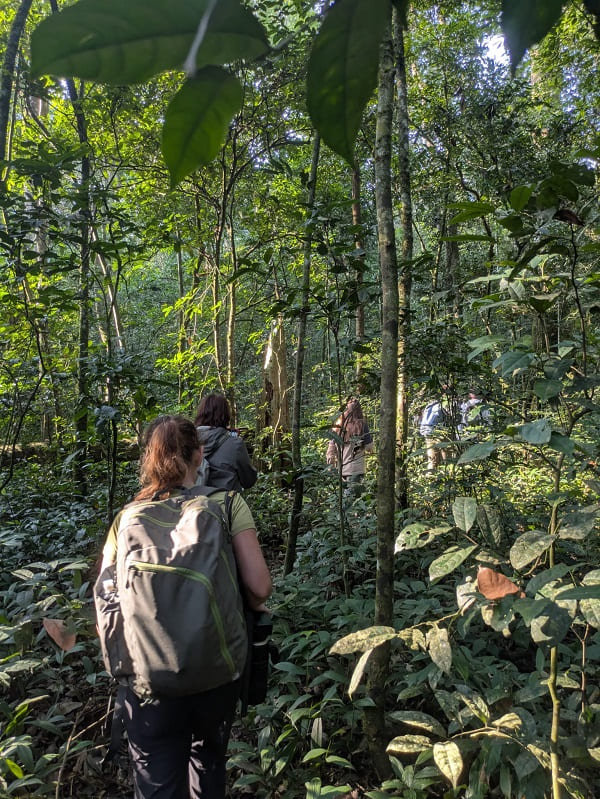
Stay with your trekking group at all times. Wandering off on your own puts you at risk and can disturb the gorillas or other wildlife nearby. Follow your guide and trackers throughout the trek, since they know the terrain and the gorillas’ likely movements far better than any visitor could.
Smoking or drinking alcohol near the gorillas is not allowed. Eating or drinking in their presence carries similar risks, since it raises the chance of passing germs to the animals indirectly.
Waste and Environmental Rules
Do not litter in the forest. Carry out everything you bring in, including bottles and food wrappers. Food scraps and discarded containers can carry germs that harm the gorillas or attract other wildlife into contact with human waste. If you need to use the bathroom during the trek, dig a hole at least 30 centimeters deep and follow your guide’s instructions on where and how to do this properly.
Why These Rules Matter
Every rule on this list exists for a reason grounded in conservation science. Mountain gorillas are critically endangered, and a single illness passed from a visitor to a gorilla family can spread quickly and cause serious harm, given how closely related gorillas are to humans. The distance requirements, hygiene steps, and time limits all work together to keep tourism sustainable without putting the gorillas at risk.
Following these rules also keeps you safe. Gorillas are usually calm around trekking groups that follow the guide’s lead, but a startled or provoked gorilla can act defensively. Sticking to the rules is the best way to keep the encounter calm and safe for everyone involved.
Preparing to Follow the Rules
Attend your briefing fully, listen closely to your guide throughout the trek, and don’t hesitate to ask questions if anything is unclear. Pack appropriately for the forest, including a raincoat, warm clothes, waterproof boots, and garden gloves, since staying comfortable makes it easier to focus on following instructions rather than managing your own discomfort. If you have mobility challenges, tell your tour operator or the park in advance so they can arrange a sedan chair or stretcher and assign a gorilla family that’s easier to reach.
Book Your Gorilla Trekking Safari Today
Understanding the rules ahead of time makes for a smoother, safer trek and protects the gorillas you’ve come to see. Contact us today to book your gorilla trekking permit and start planning your trip to Uganda, Rwanda, or Congo.